In today’s big news, OpenAI has officially released its latest GPT model ”GPT-5” .
Since its launch, I’ve been running experiments, testing edge cases, and pushing it to its limits.
And I have to say… this one is different.
It’s not just “better” than previous versions.
It’s a step change in how we’ll work, create, and even think.
Why this matters
We’re now at a point where:
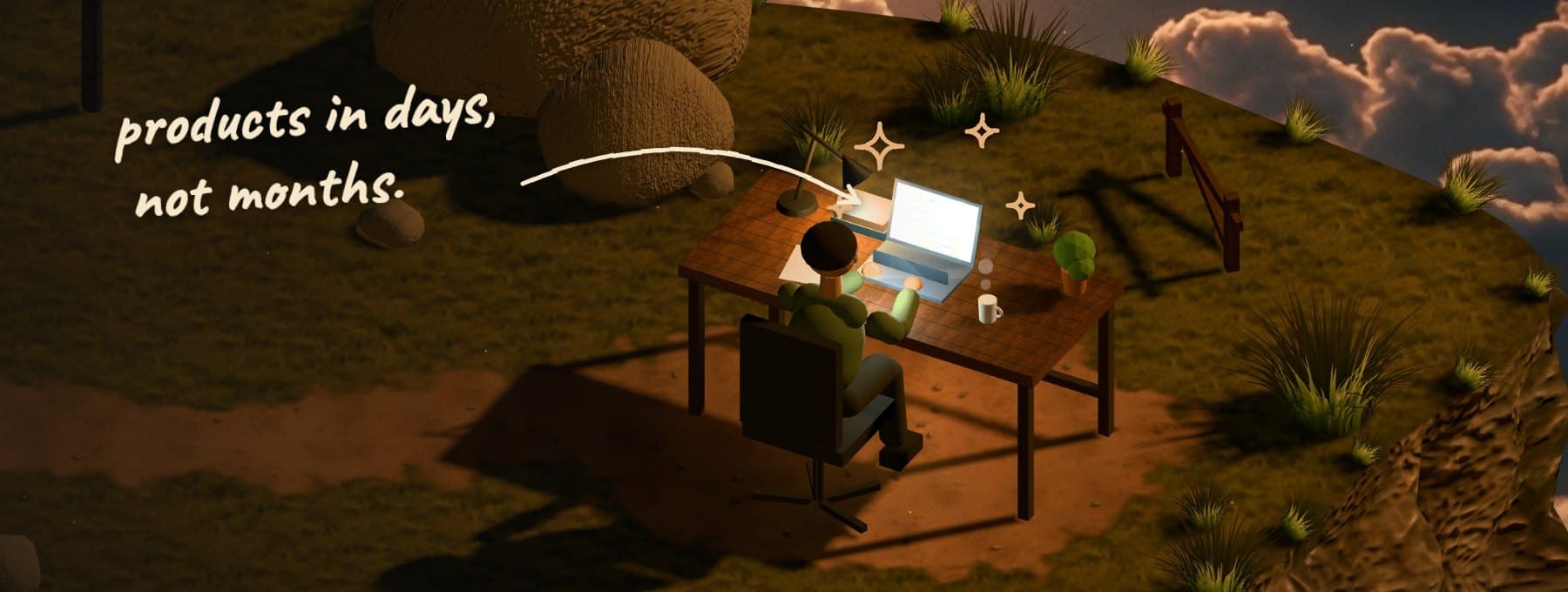
- Digital products can be built in days, not months.
- Designs that once took a week can now be done in hours.
- Prototypes can evolve into launch-ready products almost instantly.
This is no longer a “nice-to-have” technology.
It’s a competitive advantage, and if you’re not using it, you’re already behind.
Here’s what GPT-5 is better at (so far)
- Generates highly structured, human-like reasoning.
- Creates fully functional prototypes with integrated code, in minutes.
- Understands context from multiple inputs far better than previous models.
- Designs complex, high-quality visual assets without the “AI look.”
- Delivers more consistent branding and tone across content creation.
The ripple effect
Every corner of the industry is about to feel this:
- Tech & Development: Faster release cycles and fewer blockers.
- Design: Automated execution so designers can focus on high-level creative direction.
- Business: Reduced costs, faster go-to-market, and greater accessibility for small teams.
Other AI companies will try to catch up, but right now, GPT-5 is setting the bar.
The opportunity
The floor just got lower, meaning anyone can create something that looks professional.
But the ceiling? It’s higher than ever for those who combine AI with strategy, creativity, and insight.
If you’re in tech, design, or product… the smartest move is to adapt now.
As I continue experimenting, I’ll be sharing the most interesting, useful, and surprising ways GPT-5 can be applied in real projects.
Stay tuned, it’s going to be a wild ride.
Your move:
Are you already using AI in your workflow?
If not, what’s stopping you?
— Djawad
First published on Medium, on 8 August 2025.
Read it on Medium